International Circular Economy Week (ICEW) – Extended Programme for Nigerian Academic Delegation | 27 April – 01 May 2026
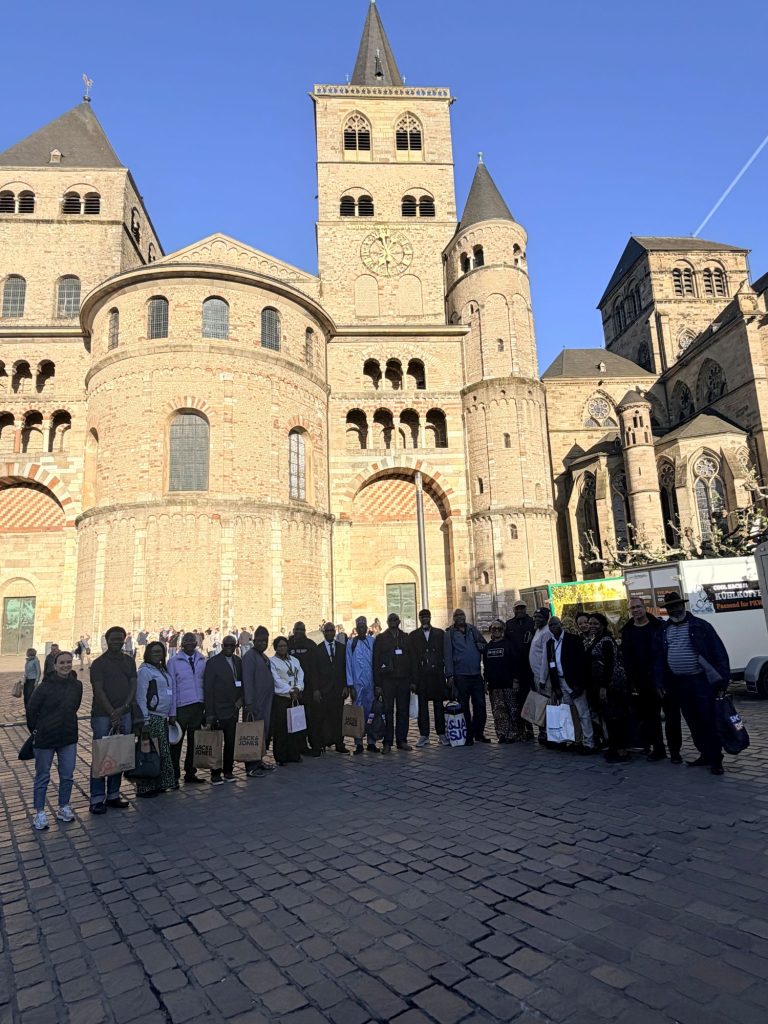
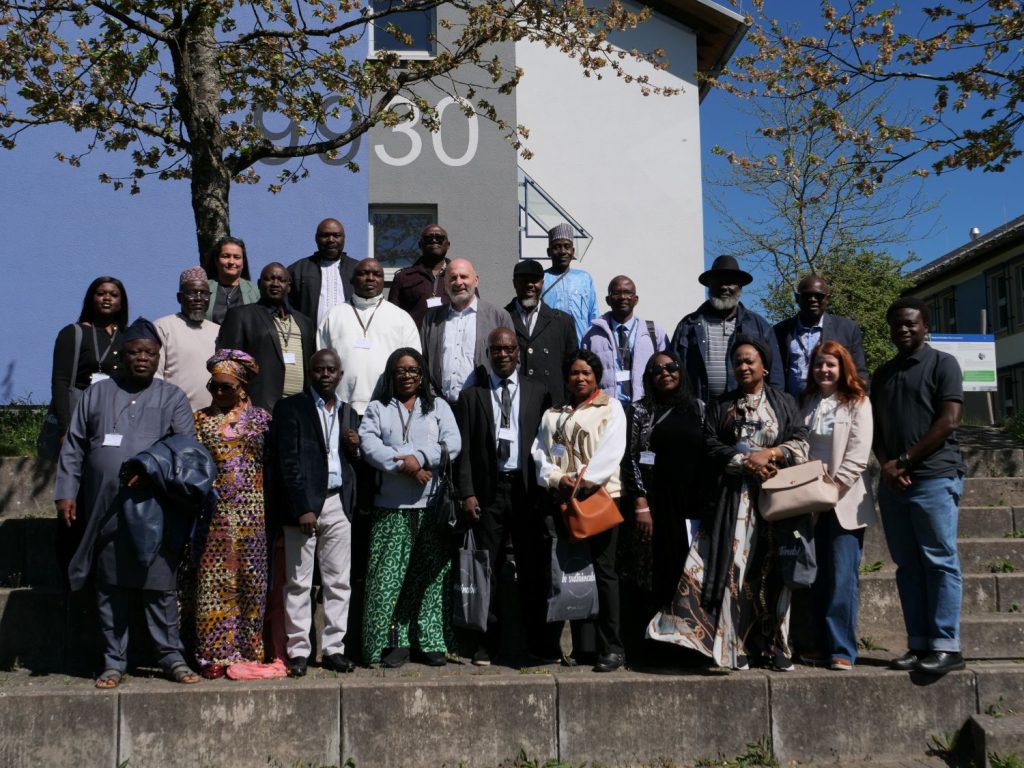
The Institute for Applied Material Flow Management (IfaS) at the Environmental Campus Birkenfeld (ECB) of the Trier University of Applied Sciences, successfully hosted an extended edition of the International Circular Economy Week (ICEW) from 27 April to 01 May 2026, tailored specifically for a high-level academic delegation from Nigeria.
The delegation was formally welcomed by Prof. Dr. Peter Heck, Managing Director of IfaS, and Marco Angilella, Head of International Projects at IfaS. Their opening remarks set the tone for a week focused on applied sustainability, innovation, and international knowledge transfer in the field of circular economy and material flow management.
Funding and Strategic Context
The visit was funded by the Tertiary Education Trust Fund (TETFund) under the Federal Ministry of Education of Nigeria, reflecting a strategic commitment to strengthening research capacity, institutional leadership, and innovation ecosystems within Nigerian higher education. The programme was designed to bridge theory and practice by exposing participants to Germany’s advanced circular economy systems and “real-world laboratory” approach.
Delegation Profile
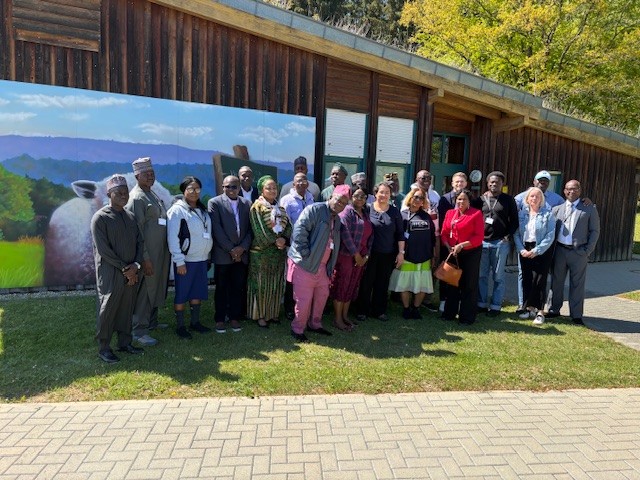
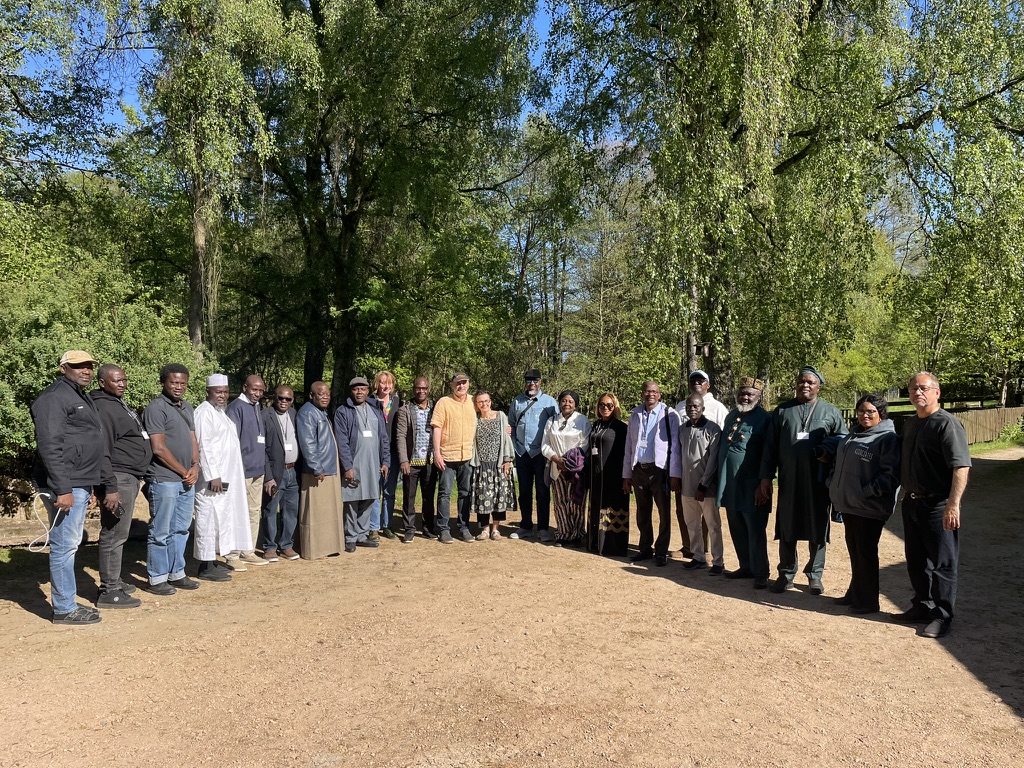
The Nigerian delegation comprised a distinguished group of academic and institutional leaders spanning multiple tiers of higher education governance. At the executive level, the delegation included Vice Chancellors; Prof. Kehinde Imisi T. Eniola (Kogi State University, Kabba) and Prof. Ibiyemi Ibilola Olatunji-Bello (Lagos State University), alongside senior university leadership, including Prof. Joseph Ojo Ekiran (Deputy Vice-Chancellor, Bamidele Olumilua University of Education, Science and Technology). The group further included Provosts and academic heads: Prof. Yusuf Benson Baha (Adamawa State College of Education), Prof. Audu Dangana Egbunu (Kogi State University), and Mrs. Mercy Ebere Ezeani (Anambra State College of Nursing Sciences).
Representation from polytechnics and technical institutions was equally strong, with Rectors including Dr. Mohammed Usman (Federal Polytechnic Bali), Dr. Clinton Wisdom Soreh (Bayelsa State Polytechnic), Dr. Kamoru Kadiri (The Federal Polytechnic Offa), Dr. Ibrahim Bello Bashir (Federal Polytechnic Damaturu), Dr. Ediri Emmanuel Agada (Federal Polytechnic Ohodo), and Dr. Amos Rotimi Ajanaku (Ibadan City Polytechnic), supported by senior administrator Dr. Ishaq Rasheed Salimonu (Deputy Rector Administration).
The delegation also featured key administrative leadership critical to institutional operations, including Registrars Mrs. Funmilola Adenike Adeusi, Mr. Gabriel Oyediran Soko, and Mr. Danladi Mallam, as well as Bursars Mrs Florence Gbodi Alabi and Dr. Hadiza Goje. Additional participants included directors, lecturers, and sector representatives, notably Dr. Hassan Suleiman Otuoze (Director of Physical Planning), Dr. Sowemimo Ronke Adekunmisi (Lecturer), and Mr. Chukwudi Johnpaul Okolo (Director, Skills and Labour Services Ltd), reflecting a comprehensive cross-section of academia and industry.
Programme Overview
Day 1: Foundations of a Zero-Emission Campus
The programme started with a keynote on circular economy and material flow management, setting the conceptual framework for the week. This was followed by a guided tour of the Environmental Campus Birkenfeld, recognised as the greenest campus in Germany and ranked among the most sustainable universities globally. Participants examined integrated systems such as renewable energy infrastructure, energy-efficient buildings, and intelligent resource management solutions. The day continued with a field visit to the Energy Landscape Morbach, where participants gained practical insights into how municipalities can transform renewable energy sources into economically viable and regionally integrated systems.
Day 2: Circular Systems in Practice
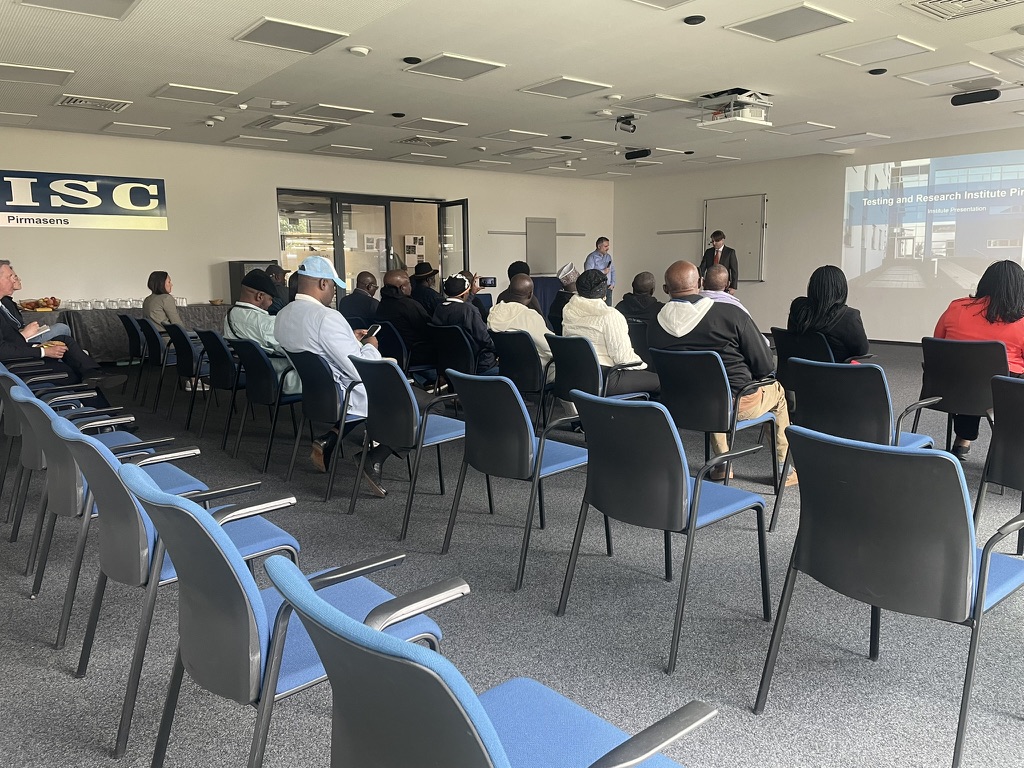
Day two focused on applied circular economy systems at municipal and industrial levels. The delegation visited the wastewater treatment plant in Pirmasens, highlighting nutrient recovery technologies, and the Pirmasens Testing and Research Institute (PFI), showcasing sustainability-driven innovation. The programme concluded at the Kaiserslautern waste facility (ZAK), where integrated processes such as organic waste treatment, mechanical-biological processing, and composting were explored, demonstrating how waste streams can be efficiently transformed into valuable resources.
Day 3: Strategy, Research, and Global Collaboration
Day three centred on technical workshops addressing key themes such as large-scale carbon sequestration (SAREP), international academic collaboration through the IMAT network, and the integration of circular economy concepts into higher education via the “Travelling University” approach. Additional sessions focused on resource efficiency strategies for municipalities and industries. Participants also presented their institutional initiatives, fostering dialogue on future collaboration between German and Nigerian institutions. A field visit to the Rhein-Hunsrück waste management facility further demonstrated rural energy transformation through biogas production, composting, and renewable energy integration.
Day 4: Co-Creation and Implementation Pathways
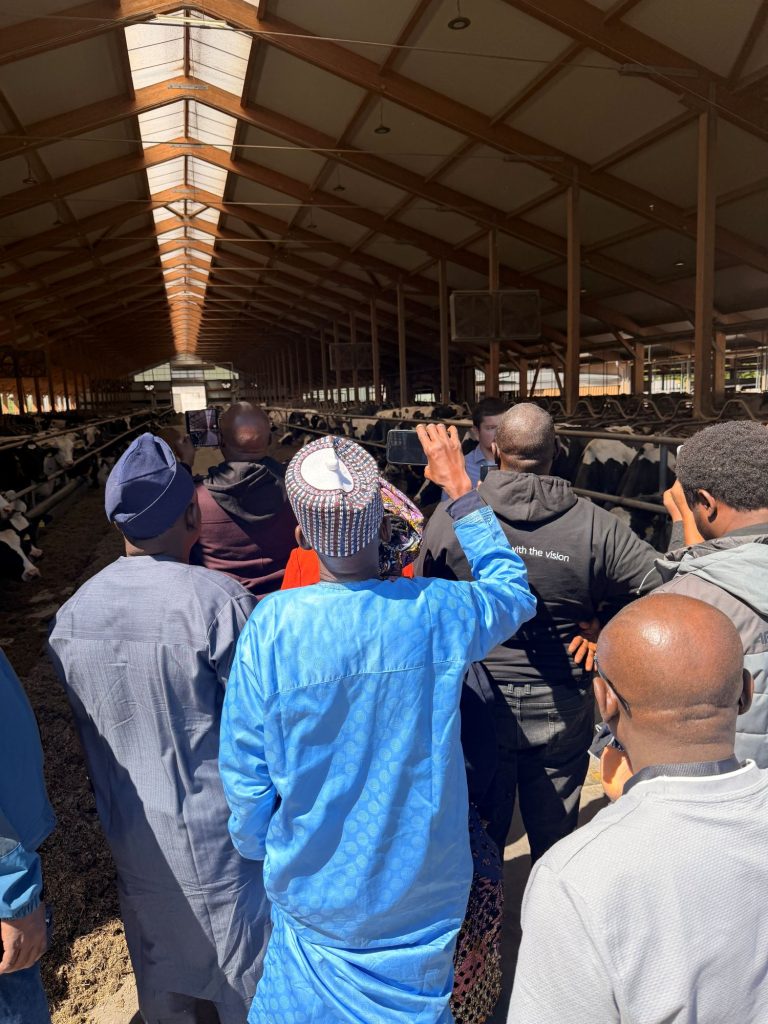
The event emphasised the co-creation of context-specific solutions for Nigeria. Through an interactive workshop, participants explored implementation strategies, financing mechanisms, and capacity-building approaches. Discussions highlighted the importance of decentralised energy systems, practice-oriented education models, and institutional transformation through applied research. A technical excursion to an agricultural enterprise in Abentheuer showcased digitalized farming practices and organic waste utilisation, reinforcing the link between circular economy and bioeconomy.
Day 5: Industrial Innovation and Renewable Energy in Practice
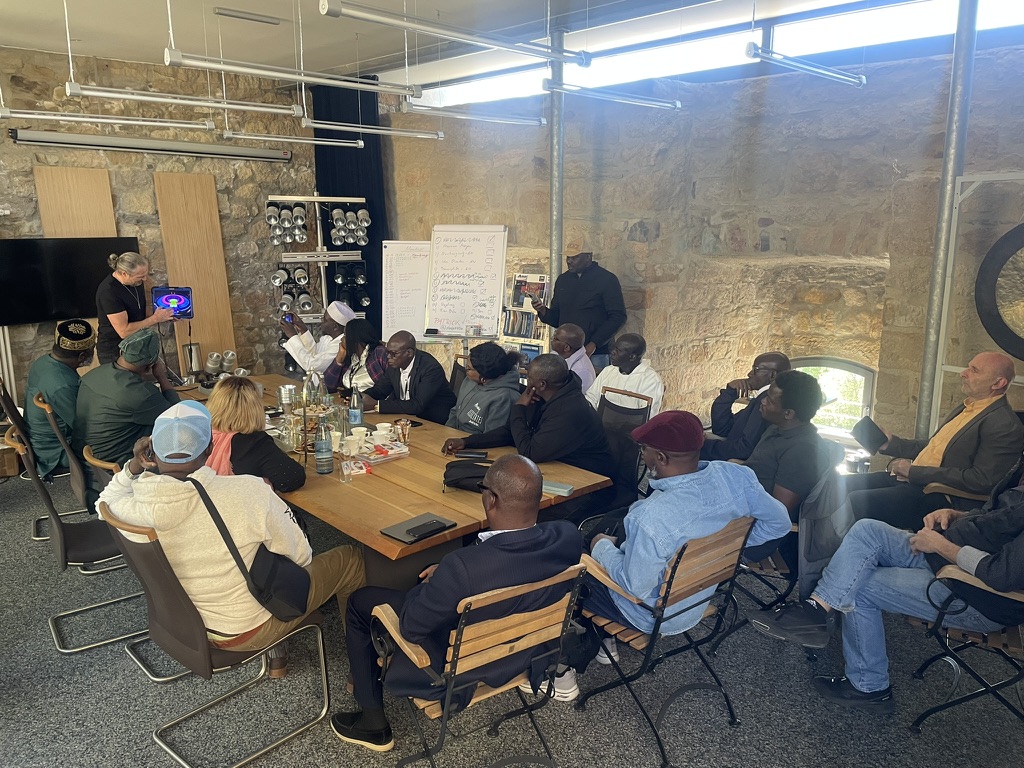
On the last day, the Nigerian delegation participated in an additional technical programme focused on sustainable manufacturing and renewable energy systems. The day began with a visit to Lanz Manufacture GmbH in Hochstetten-Dhaun, where participants explored innovative lighting systems, precision manufacturing processes, and energy-efficient industrial practices during a presentation and guided tour at Castle Hochstetten Dhaun. The delegation later travelled to Brücken for a technical visit to a historic mill and water power plant, where smaller group presentations demonstrated how traditional infrastructure can support decentralised renewable energy production and regional sustainability strategies. Together, the visits highlighted practical examples of industrial innovation, clean energy integration, and resource-efficient operations, further strengthening the applied learning experience of the ICEW programme.
Key Outcomes and Impact
The programme provided direct exposure to operational circular economy systems across multiple sectors, alongside strategic frameworks for integrating sustainability into higher education. It fostered bilateral collaboration opportunities and delivered practical, action-oriented insights. A central outcome was the shift from theoretical understanding to scalable implementation, particularly through decentralised systems and institutional innovation.
Overall, the ICEW programme marked a significant milestone in German – Nigerian academic cooperation, reinforcing the role of the Environmental Campus, Birkenfeld and IfaS as leading hubs for applied research and sustainable development.